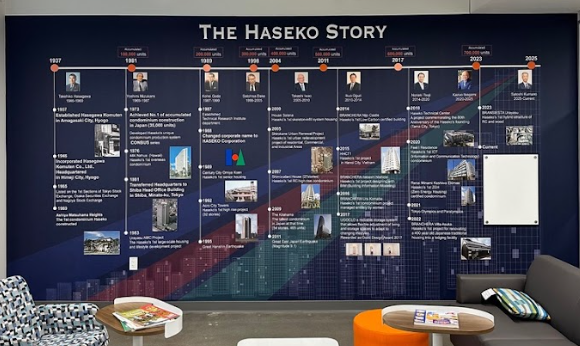
A beautiful design on a computer screen does not automatically translate into an effective wall mural.
Large-format graphics require careful planning because changes in scale, wall conditions, and viewing distance can significantly affect the finished appearance.
Artwork Quality & Image Resolution
A photograph that looks sharp on a laptop may lose detail when enlarged across an entire wall.
We review the original artwork, intended dimensions, and viewing distance to determine whether the image is suitable for large-format production.
Vector artwork is preferred for logos, typography, and scalable brand elements. Photographic designs require sufficient image quality for their intended display size.
Wall Texture & Surface Condition
Not every wall is suitable for the same graphic material.
Smooth painted drywall, textured surfaces, brick, glass, and architectural panels have different installation characteristics.
The condition of the paint, surface texture, and material compatibility can affect adhesion and the appearance of the finished mural.
We evaluate these factors before recommending a graphic application.
Accurate Measurements & Layout
A wall mural must account for more than its width and height.
Doors, corners, electrical outlets, switches, furniture, and architectural features can interrupt the design.
We consider these details when preparing layouts so important images, text, and branding elements remain visible after installation.
Brand Colors & Print Consistency
Color accuracy becomes particularly important when artwork covers a large surface.
Our production review considers approved brand references, graphic finishes, and print colors to help achieve a consistent visual presentation.
For multi-location businesses, maintaining approved artwork and production information also supports consistency between installations.
Installation & Panel Alignment
Large murals may require multiple printed panels.
Careful planning helps determine where panel transitions should occur and how important graphic elements will align.
The installation method also depends on wall access, surface preparation, material specifications, and site conditions.